Home Services Portfolio Blog Contact Book a Call

The Report Isn't the Problem. The Data Underneath It Is.

Most agencies have reporting covered: a dashboard tool, a spreadsheet, a client portal. What nobody owns is the layer underneath: the CRM pipeline where leads die without being closed out, contacts get duplicated by three different intake forms, and automations built by past team members keep firing on stages nobody uses anymore.

That layer is where client trust erodes. A client questions one number in a QBR, someone spends an afternoon tracing it, and the answer turns out to be "a workflow from 2023 was double-counting form fills." The report was fine. The data wasn't.

I work on exactly that layer. I audit what's actually running, clean what's feeding your numbers, document what nobody wrote down, and rebuild the fragile parts so they stop breaking.

Agency Data Ops

Four kinds of work, all on the same layer: the data your client reporting depends on.

Pipeline & CRM Data Hygiene

I close out dead leads, merge duplicates, and realign stages to match how your team actually sells. Your pipeline becomes something you can report from without caveats.

Workflow Audit & Documentation

I map every automation in your account end to end: what fires, when, and why. Dead, duplicated, and conflicting workflows get flagged, and your team keeps a written map.

CRM & Data Migrations

Moving between CRMs, or consolidating years of client data, without losing history or inventing duplicates. I map it, test it against your real data, and verify it before cutover.

Custom Automations & Reporting Feeds

Purpose-built automations that replace the duct-taped ones, including feeds that keep client reports updated from clean source data instead of manual exports.

Running on GHL? That's My Home Turf.

GHL accounts accumulate workflows the way garages accumulate boxes. Sub-accounts inherit automations nobody remembers building, snapshots get applied on top of snapshots, and eventually the account is "haunted": things happen and nobody knows which workflow did it.

For one agency, I audited close to 125 workflows end to end and mapped every one: what triggers it, what it touches, and whether it still needs to exist. A meaningful share were dead, duplicated, or firing on pipeline stages no one used anymore, exactly the kind of silent noise that skews campaign numbers and burns automation credits.

If your agency runs on GHL, the audit is the natural starting point: you get the full map, the kill list, and the fixes. It's usually a focused engagement, not a rebuild.
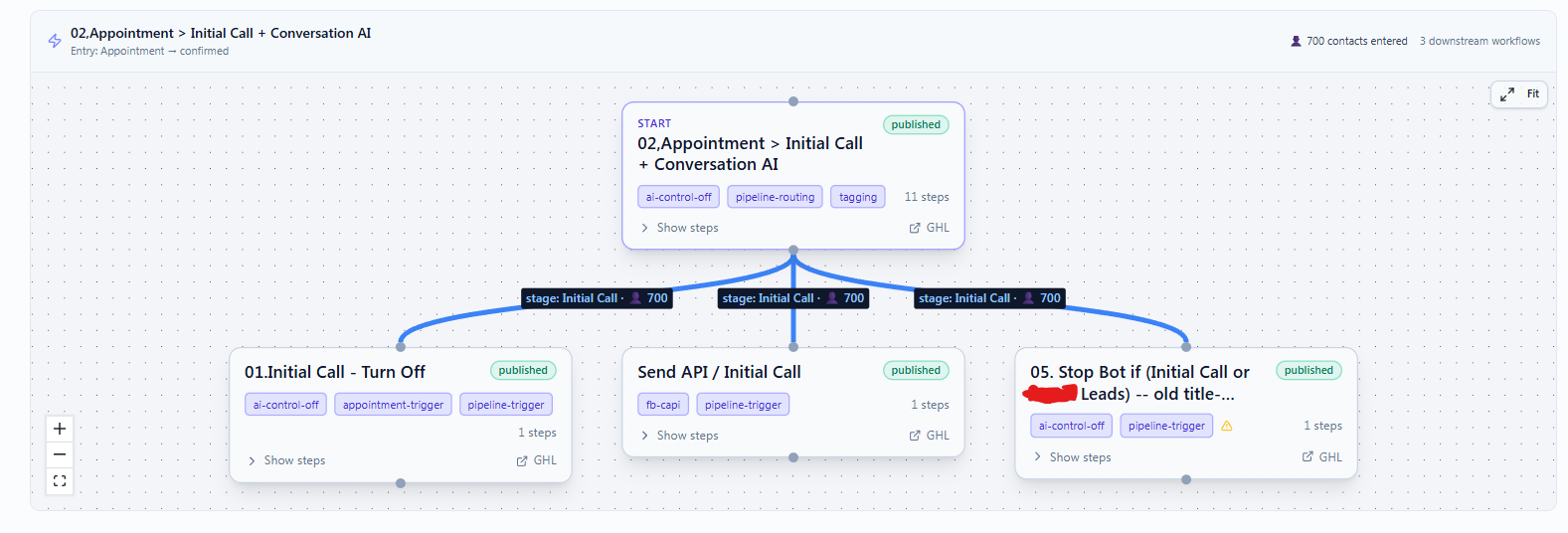
GoHighLevel marketing workflow being mapped end to end: triggers, conditions, and actions laid out in the workflow builder
Mapping a live GHL marketing workflow end to end — what fires, when, and why.
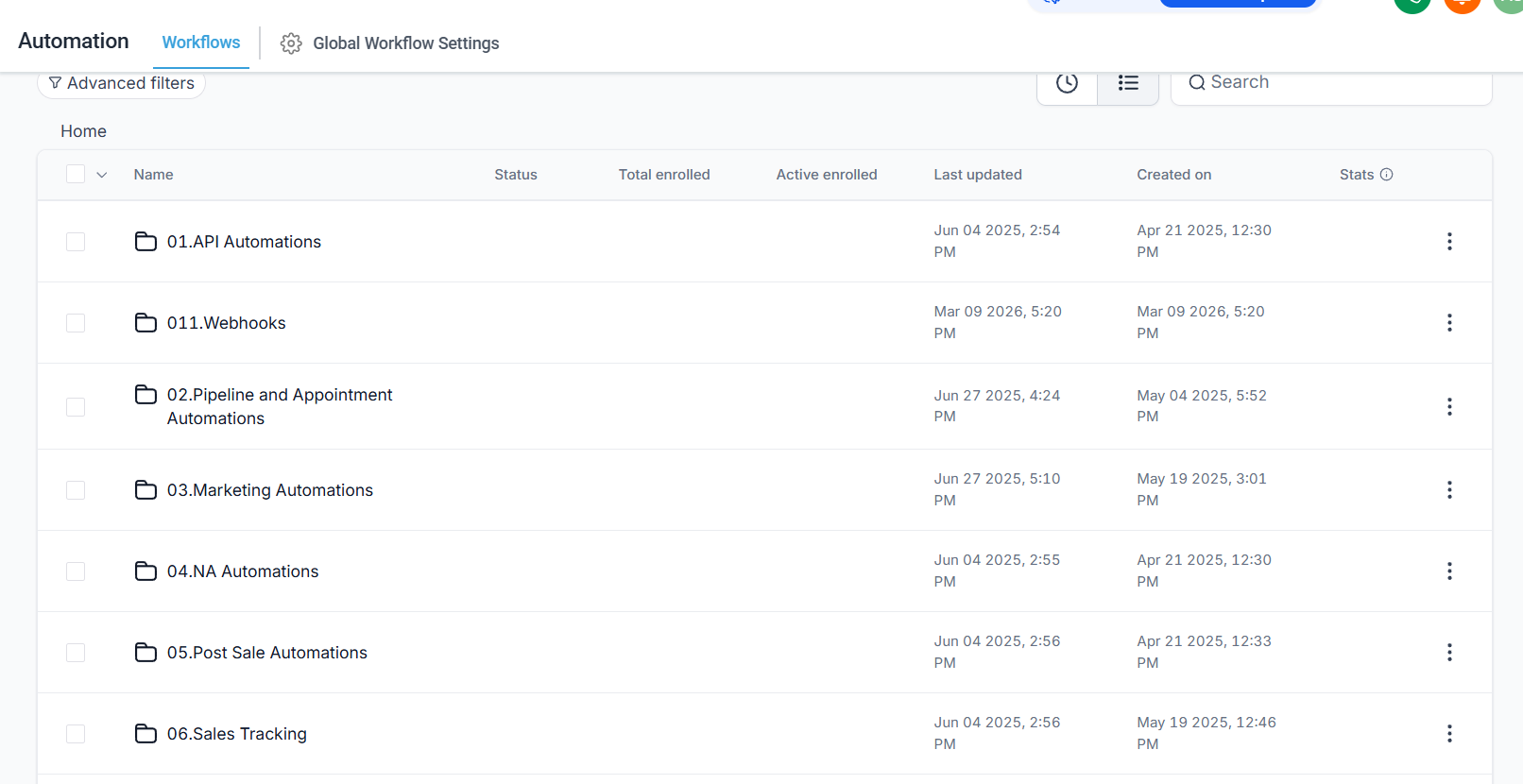
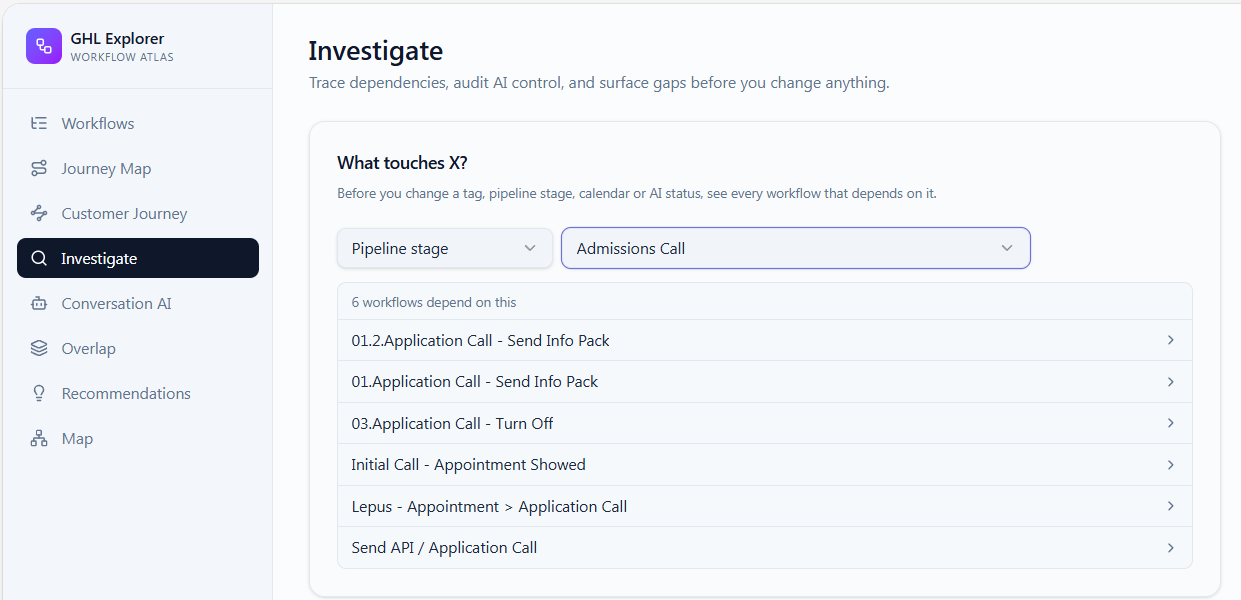
Investigating a GoHighLevel account's workflow list to find dead, duplicated, and conflicting automations
The investigation pass: dead and duplicated workflows get flagged.
GoHighLevel automations panel during an audit, showing the workflows feeding pipeline stages and reporting
The automations feeding your pipeline stages — and your numbers.

Numbers From Real Engagements

100+ projects delivered · Top Rated Plus on Upwork with 100% Job Success

1.5M Records, Minutes to Seconds

Moved 1.5 million messy records off a maxed-out spreadsheet into a clean, queryable model. Report queries that took minutes now run in seconds, and the numbers stopped being debatable.

~125 GHL Workflows Mapped

A full end-to-end audit of one agency's GoHighLevel account. I documented every workflow, flagged the dead and duplicated automations, and left the account with a map instead of a mystery.

Ten Monthly Invoices Reviewed in About Two Hours

An Excel invoicing system imports Outlook timesheets and Airtable project data, then prepares branded invoices for review by project phase.

See the Work

See the GHL + Google Sheets workflow, the invoice automation case, and the rest of the portfolio.

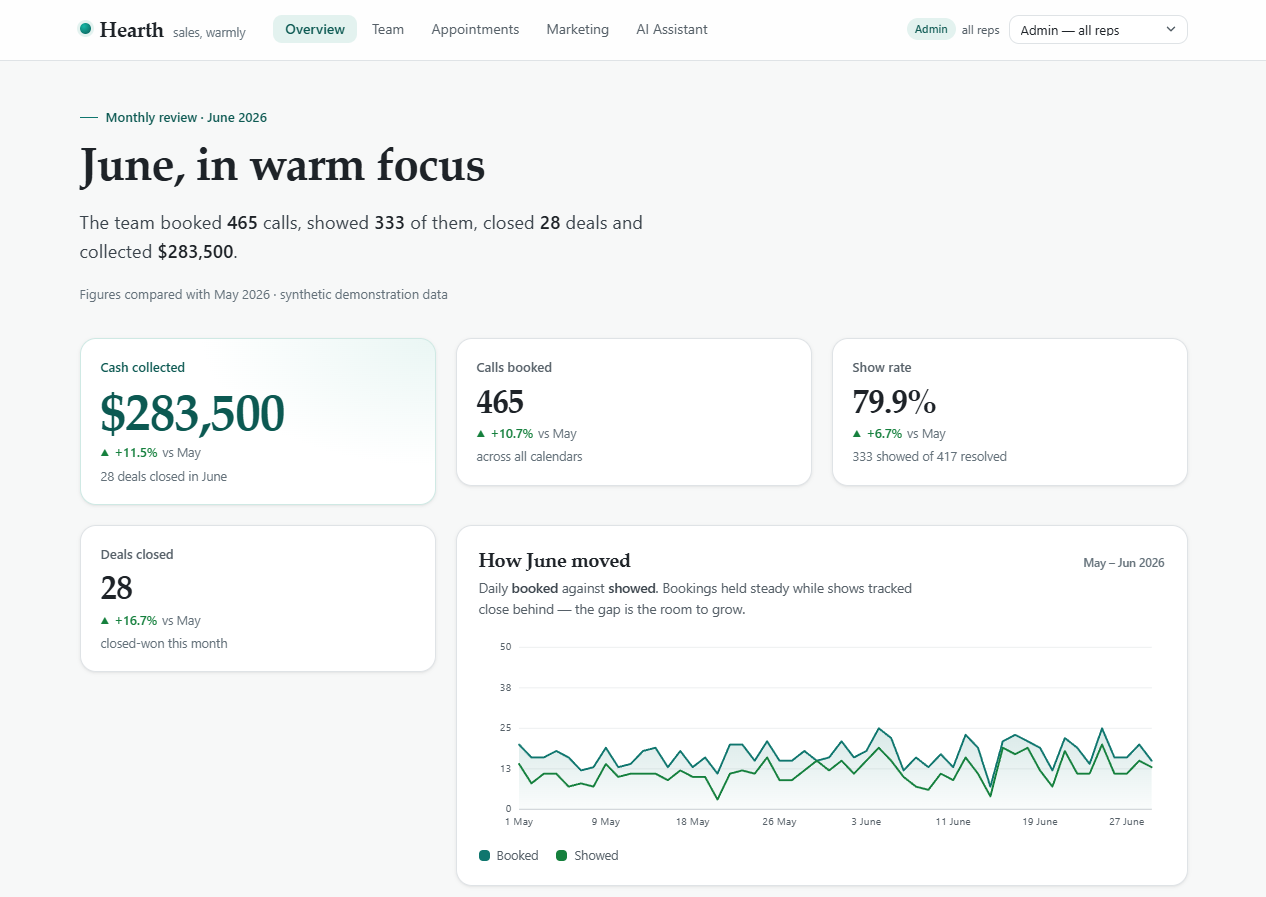
Custom GHL reporting dashboard: monthly cash collected, calls booked, show rate, and booked-versus-showed trend
A reporting layer built on clean GHL data — read the case study or click the live demo.
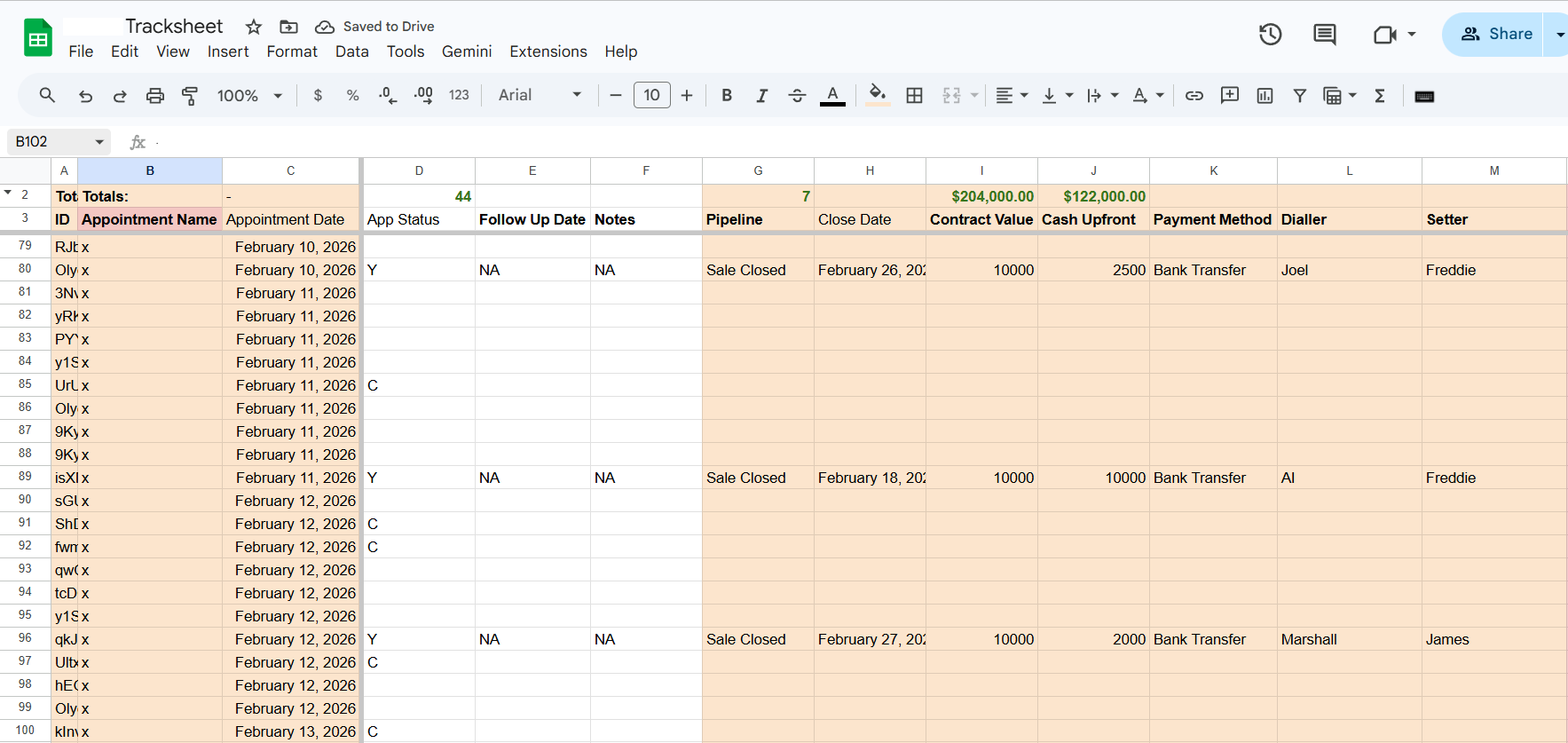
Google Sheets receiving rows from a GoHighLevel workflow — the proof log of the automated data feed
A GHL workflow writing verified rows into Google Sheets — see the full case.

From a Marketer Who Hired Me

"Ahmed was exceptional and delivered exactly what I was looking for. Will definitely hire him again."

GO
Gideon Olade
Growth Marketing | Performance Marketing, Synchrony · US

Small First Step, No Commitment Cliff

You don't have to buy a project to find out whether this is your problem.

1 · 15-min Fit Call

You describe the setup; I tell you honestly whether there's a data problem worth fixing and what I'd check first. If it's not a fit, you leave with a straight answer.

2 · Flat-Fee Diagnostic

A $300-500 fixed-fee audit of your CRM or data layer. You get findings in writing: what's broken, what it's costing you, and what fixing it involves, whether or not we go further.

3 · Fixed-Price Project

The fix itself, scoped from the diagnostic. Projects typically $2k-$10k, fixed price, tested against your real data, documented and handed over.

Ongoing (Optional)

Some agencies keep me on a light monthly retainer to keep the data layer clean as the client roster grows. It's optional; most projects stand alone.

The Things Agencies Ask Before We Start

What access do you need?

A team-member seat with the lowest permissions that still show workflows and pipelines — read access is enough for the audit. I don't need billing or account ownership, nothing gets edited during a diagnostic, and you can revoke the seat the day we finish.

Our data is a mess. Where do we even start?

Messy is the normal starting state — every account I audit looks like this. We start with the 15-minute call: you tell me the number you trust least, and I tell you what I'd check first. You don't need to clean anything up before I look; the mess is exactly what I'm there to map.

How long does the diagnostic take?

Typically about a week from getting access, depending on account size. You get the findings in writing: what's broken, what it's costing you, and what fixing it involves — useful whether or not we go further together.

What happens after the audit?

You decide. Some agencies take the findings and fix things in-house — the map and kill list are yours either way. If you want me to do the fixing, it's a fixed-price project scoped from the diagnostic, so there's no open-ended hourly meter.

Fifteen Minutes to Find Out If This Is Your Problem

Bring the setup you're least confident about: the account nobody wants to touch, the report a client keeps questioning. I'll tell you what I'd check and whether it's worth fixing.

Book a 15-min Fit Call